




Why the Fourth-Gen Ram 1500 Is So Unforgettable
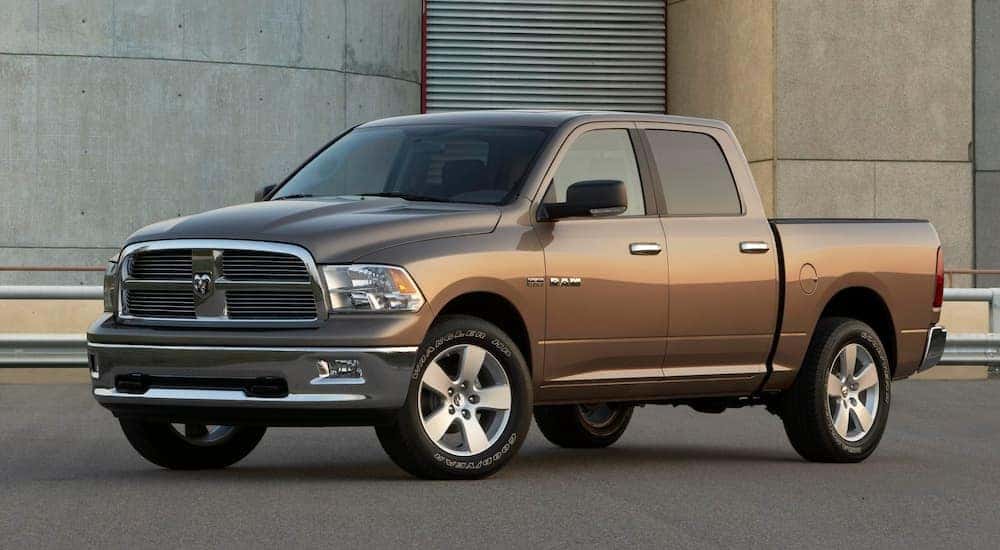
The name “Ram” was first used on a Dodge pickup truck in 1981. Since then, the truck that we now know as the Ram 1500 full-size pickup truck has seen plenty of changes. In fact, most of those changes happened in the recent fourth generation, which was in production from 2009 to 2018. While there are plenty of great features and innovations in the current fifth-generation Ram 1500 trucks, those who are looking for used Ram trucks for sale are shopping from some of the most groundbreaking trucks of their time.
Many things happened for the Ram brand in the fourth generation. Perhaps most significantly, the Ram brand was established toward the beginning of the fourth generation when Stellantis reorganized in 2011. But there were other crucial developments as well, from new features that gave drivers more to enjoy about their truck, to new models that fully enveloped what drivers are really looking for when they shop for a full-sized pickup.
Take a look at how the fourth-generation Ram 1500 might be the most pivotal time for the truck and how that translates into greater value for those shopping for a used truck today.
The History of the Ram Brand
The ram symbol has been a tradition in the Ram brand for a very long time, with a ram’s head emblem being used on Dodge truck models dating back to the 1930s. The Dodge Ram was introduced in 1980 for the 1981 model year, and for a very long time, drivers knew the Ram to be Dodge’s entry into the pickup truck market. The Dodge Ram was a brand drivers knew and relied upon when it came to getting work done.
However, things started to change in the early 2000s. Business changes and mergers led to Dodge, Chrysler, and Jeep joining forces with Fiat to create a worldwide automotive manufacturing network. What we know today as Stellantis was then just a nebula of ideas.
One idea included separating the Dodge and Ram brands. On October 5, 2009, an announcement was made that Ram was reorganized into its own marque. “The brand-focused strategy has been refined further with the unbundling of the Dodge brand, which now consists of the Dodge Ram brand and the Dodge car brand organizations,” Chrysler Group CEO Sergio Marchionne said in the official statement. “This reorganization will allow us to protect and develop the unique nature of the product offerings within the Dodge Brand.”
Although this separation made it clear that the Ram division would focus solely on pickup trucks while the Dodge brand developed performance and passenger-oriented cars and vans, the Ram continued to be known as the Dodge Ram for three more years. In fact, it wasn’t until the 2013 mid-generation refresh that all Dodge emblems and markings would be removed from the interior and exterior.
At first, plenty of drivers and experts were worried about Ram’s future. Offering a single truck model at the time—the 1500—it wasn’t entirely clear if the brand could stand alone. However, time has shown us that Ram is just fine. With the introduction of the Ram 2500 and 3500 heavy-duty trucks and a range of chassis cab models, the lineup has expanded to provide plenty of options for discerning pickup truck drivers.
The Fourth Generation’s Innovation
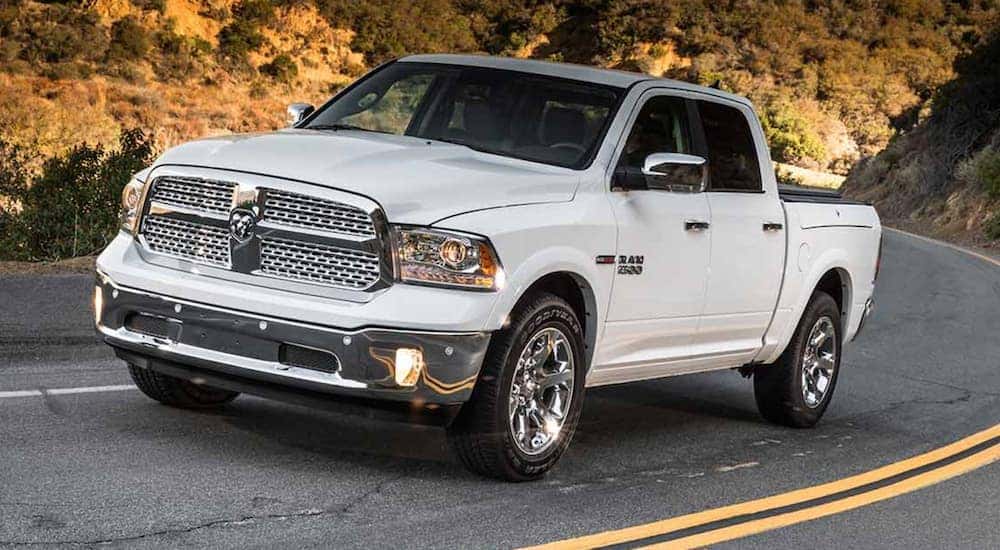
Ten years after the brand separation, Reid Bigland, Head of Ram Brand, noted the brand’s progress, stating, “Since becoming a distinct brand ten years ago, Ram has had the benefit of being able to focus solely on trucks and commercial vehicles, allowing us to build the best vehicles possible for our customers.” And he was correct: the fourth generation saw some of the most significant additions to the Ram 1500’s features and performance.
Perhaps the most beloved addition was the RamBox cargo management system. Pickup truck drivers are known for making the most out of every inch of space both in the truck’s cabin and bed. Ram decided to add space within the body of the vehicle itself, turning the unused area along the side of the truck surrounding the rear wheel well into a lockable, drainable storage space. Running the length of the bed, RamBox’s lids lift upward, instantly turning that space into a place to keep your tools and gear—or even a cooler.
The Uconnect infotainment system saw whirlwind development in the fourth generation, as well. As one of the most inventive, resourceful, and widely available multimedia/connectivity systems of its time, the Uconnect system began as an AM/FM radio system with an audio input jack and USB port. By 2013, several versions were offered, including Uconnect 5.0BT, which debuted a color 5-inch touchscreen display system and Bluetooth connectivity for phones, allowing for audio streaming and voice control for the phone.
Further versions grew in size and added SiriusXM radio, roadside assistance, and compatibility with certain phone apps, like Garmin navigation services. While this may seem basic compared to today’s 10.1-inch Uconnect 5 NAV system, bear in mind that 2013 was over ten years ago, and this was the generation of change for Ram.
Ram also gained a new power source in the fourth generation, with a 3.6L Pentastar V6 joining the lineup. Good for 305 hp and 269 lb-ft of torque, this engine adds over 40% more power to the Ram 1500, along with a 20% improvement in fuel economy.
New Ram 1500, New Trims
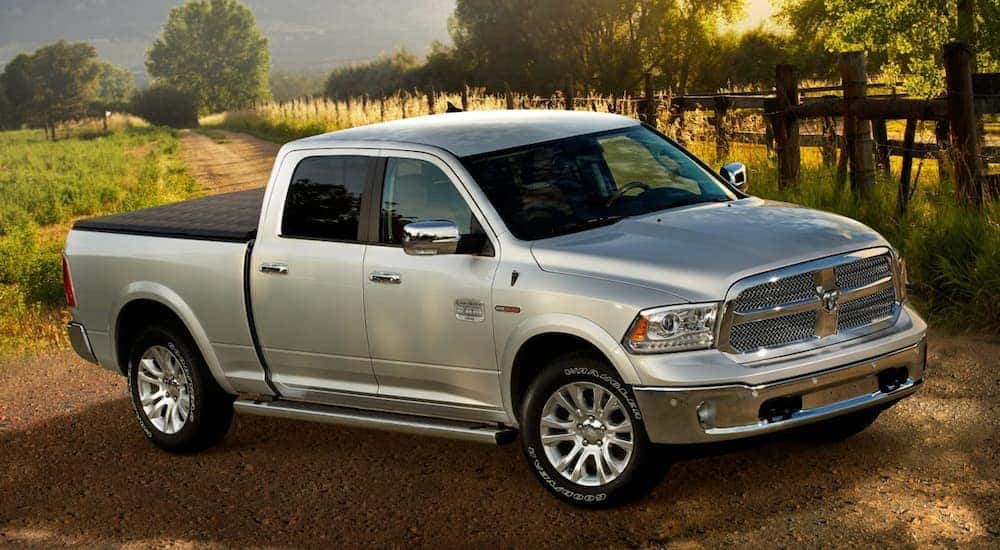
Now fully in control of the brand and poised for success with an impressive array of technology and power, Ram released some of the most outstanding models in the fourth generation—some of which continue to define the brand today.
Ram appropriately debuted the Ram 1500 Laramie Longhorn at the 2010 State Fair of Texas. New for the 2011 model year, the Laramie Longhorn was inspired by the beauty of handcrafted tools from days gone by, including engraved saddle leather details and burled walnut woodgrain surfaces. Fred Diaz, President and CEO of Ram Truck Brand, Chrysler Group LLC, touted it to the press as “ready to go from the dirt to downtown.”
The Ram Tradesman trim also joined the lineup in the fourth generation. As Ram moved away from the previous Dodge-style trim names, such as the ST, SLT, SXT, and so forth, the Tradesman became the business-oriented trim. Equipped with a HEMI engine with heavy-duty cooling power and a standard Class IV trailer hitch with connectors, this trim is designed to make things happen.
Under the Dodge brand, Ram hadn’t done much in terms of an off-road specialized truck… yet. That changed in 2016 with the introduction of the Ram Rebel. Equipped with a choice between the 3.6L V6 and a 5.7L V8, drivers could enjoy all the power and performance they needed. Features like a locking transfer case, an added inch of air suspension lift, Bilstein shocks in the front and rear, and 33-inch Toyo Open Country A/T tires, the first Ram 1500 Rebel really set things in motion for today’s off-road beasts, like the TRX.
Getting the Most Truck for Your Buck
While some drivers feel that getting a used truck might mean settling for less, this is simply not true when it comes to fourth-generation Ram trucks. While it’s true that technology has changed since then, you’ll still find all of your favorite features and more when looking back just one generation. Fourth-generation Ram 1500 pickup trucks include the quality you need, the creature comforts you crave, and the versatility that makes pickup truck drivers come back to the same brand time and time again.
You could say, in a way, that the fourth generation is when the Ram finally became its own truck, and we just can’t wait to see what the future brings.
0 comment(s) so far on Why the Fourth-Gen Ram 1500 Is So Unforgettable