




There’s More Than One Way to Drive a Jeep: Is Buying or Leasing Better for You?
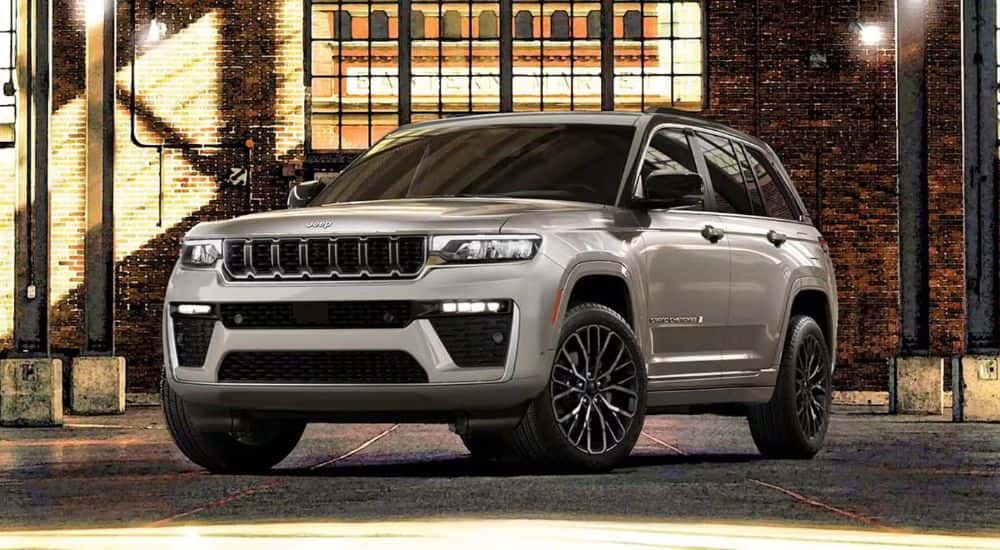
Vine Street, East Central Parkway, 71, 75, 22: There are a lot of different ways to get around in Cincinnati. Similarly, there are multiple ways to get yourself behind the wheel of a brand-new Jeep. But should you check out Jeep lease deals near Cincinnati, or is it time to buy the Jeep of your dreams?
The Jeep family of SUVs is an excellent choice for the City of Seven Hills, with all-wheel drive options that take the sting out of Ohio’s rainy and snowy seasons, but leave plenty of opportunity for exploring the unmaintained roads found slightly to the east of Cincy. In fact, it might be hard to decide exactly which Jeep model is calling your name.
But once you’ve got your options narrowed down to the vehicle you want, you have to figure out how to get it. Let’s take a look at buying versus leasing to see which might be the best process for your individual needs.
How to Buy a Jeep
For many years, buying a car has been the standard way to obtain your own transportation. While the Connector and bus system in Cincy and Northern Kentucky is pretty fantastic, having your very own Jeep allows you to go anywhere the wind blows, especially if you select a Trail Rated model.
Therefore, some drivers have been drawn to purchasing a Jeep vehicle to settle into for a while. And while the process isn’t exactly straightforward, it’s familiar.
First, you find the Jeep model that fits your driving needs, budget, and lifestyle. This process can be a bit lengthy as you research models, trims, packages, and options, but eventually you’ll test-drive a Jeep you can’t live without.
With the help of our dedicated finance team, you’ll explore financing options and loans. The amount you pay monthly will depend on what you can pay up front for your vehicle, including cash and the trade-in value of your previous car. Often, drivers and the finance team will work together to secure the best loan terms.
The typical auto loan period is around 60 months, though it’s not unheard of to have a loan for just 36 months or as long as 84 months or more. Each month, you’ll make a payment towards this loan that includes both the principal amount lent as well as the interest the lending party is collecting on your loan.
You’ll receive the keys to your new Jeep the day you finalize all the paperwork, and it is your duty to immediately insure it. In Ohio, drivers are encouraged to have both collision and comprehensive coverage on brand-new vehicles that are still under a loan agreement. You’ll also be responsible for all taxes, tolls, accidents, and upkeep on your vehicle.
Your Jeep will be completely your own, and the title will be transferred to you once you’ve finished repaying the entirety of your car loan. It’s possible to sell a vehicle while you are still repaying the loan, but you’ll need to get a payoff quote from the lender. You can frequently sell a car with an outstanding loan to a dealership because we have the tools to work directly with lenders.
Benefits of Buying a Jeep
The most obvious benefit to buying a Jeep is that, outside of Ohio traffic laws, there are no limits to what you can do with your very own vehicle.
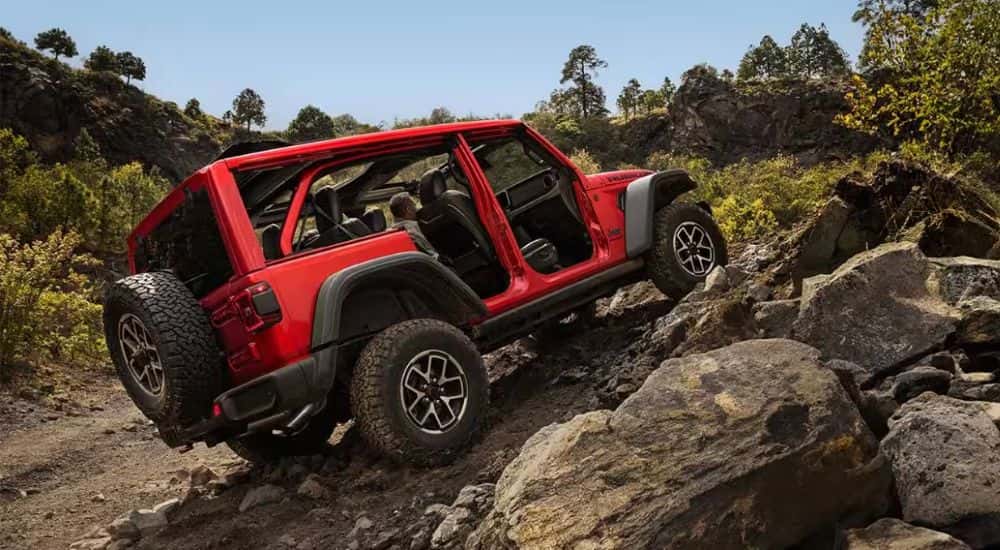
Want to lift the suspension to challenge the flooding in the East End? Once you’ve purchased your car, you can raise your Wrangler to the limits of the Ohio bumper height regulations. You can paint your Wagoneer lime green and put spinners on your Compass, and many Jeep drivers do. Jeep is the SUV of self-expression, after all.
Furthermore, if you purchased your Jeep for the off-road experience, it can be driven on mud, rocks, sand, or any other surface you feel like challenging. You are permitted to dent, ding, scratch, and use the tow hooks on any Jeep vehicle that you have personally purchased. If Wayne National Forest and the Daniel Boone Backcountry Byway are calling your name, you may answer, as the proud owner of a Jeep.
You also get the equity. Should you ever sell your paid-off Jeep, you keep what the buyer gives you.
How to Lease a Jeep
The leasing process begins similarly. You research models, maybe test drive a few, and finally decide on the Jeep you’d like to spend a few years driving.
Most lease terms allow you to keep your Jeep for 24-36 months, during which you’ll be expected to make monthly payments for your vehicle. Frequently, Jeep offers leasing specials that offer exceptional rates to those who agree to the lease terms.
Lease terms are different from purchase terms because ownership of the Jeep doesn’t transfer automatically. Instead, you are essentially paying to borrow a Jeep. As a result, a lease agreement will have a mileage cap, meaning you are only permitted to drive your Jeep a specific number of miles without incurring a per-mile penalty.
As with purchasing, insurance, taxes, tolls, accidents, etc., all will be your responsibility. Prior to the end of your lease, you’ll bring your Jeep to the dealership that originated the lease for a full inspection. You’ll be responsible for any damages beyond regular wear and tear.
Once the lease ends, you can purchase the vehicle for an agreed-upon buyout price. You can also trade your Jeep in and purchase or lease another Jeep. You can also simply drop off your Jeep for other transportation options. In all cases, you’ll be responsible for any damages or mileage overages.
Benefits of Leasing a Jeep
Generally speaking, leasing a Jeep is great for those who want a brand-new car for a short period.
One of the highlights of leasing is that every 24-36 months, you can find yourself behind the wheel of a cutting-edge new Jeep model. You’ll have first access to all the upgrades that come with each new model year. Since Jeep is known for dropping special editions, upgraded packages, and new tech throughout the model year, this means you can be the hippest driver in the whole city.
At the same time, payments are generally lower on a lease than on a purchase. You’re getting the newest version of a car during its greatest years of depreciation at a lower price. Even better, the newest versions of any car are usually the least problematic, as they don’t have any of the quirks that come from years of experience on (and off) the road.
Is Buying or Leasing a Jeep Better for Me?
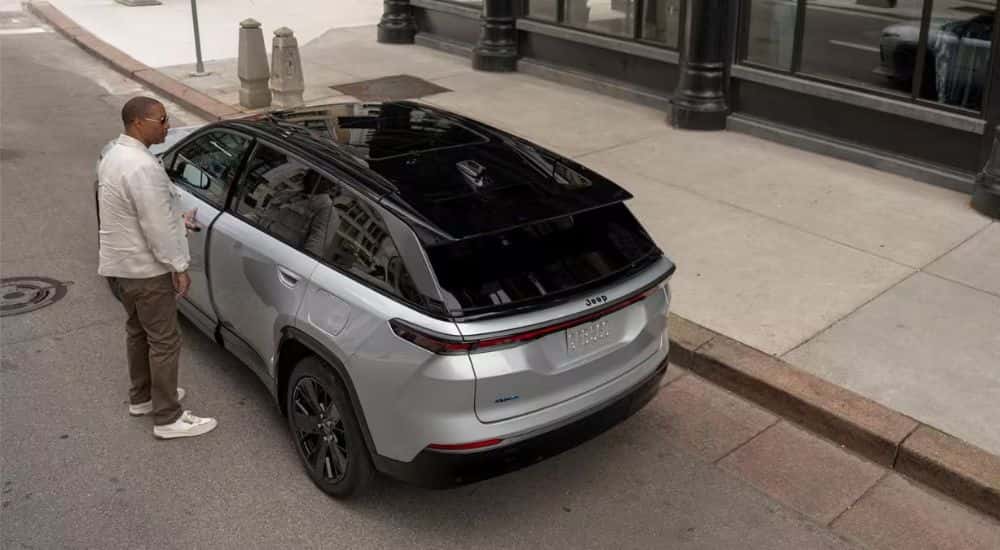
For some drivers, the choice is obvious. For example, if your plans for your Jeep include rock climbing and cross-country driving, purchasing your vehicle outright is the best plan.
But if you don’t drive much further than Indianapolis, Columbus, or Louisville, and you don’t plan on taking a road much rougher than River Road during the spring thaw, leasing can be a great opportunity for you to enjoy the best Jeep has to offer.
While leasing means you can’t upgrade your Jeep much beyond the ducks you get along the way, it can give you an opportunity to stay on the cutting edge of Jeep ownership at a lower monthly payment.
In either case, however, you’re behind the wheel of Cincy’s favorite SUV family: the Jeep.
0 comment(s) so far on There’s More Than One Way to Drive a Jeep: Is Buying or Leasing Better for You?